Consumerism March 20, 2018 10 ways to reduce your restaurant tab We’ve rounded up ten ways to save money when dining at restaurants.
Food Trends March 20, 2018 Failed Starbucks drinks and products Ever heard of the Starbucks Chantico? Seven products and drinks that didn't quite click for Starbucks.
Food Trends March 20, 2018 Which states drink the most (and least) beer? Which state takes on the most share of our national beer intake? The Beer Institute is able to answer that question.
Food Trends March 20, 2018 McDonald's 10 most spectacular menu flops The McDonald’s that we know and love, identified by those iconic Golden Arches, had humble beginnings. The restaurant first opened as McDonald’s Bar-B-Q Restaurant in San Bernardino, Calif., in 1940, serving a simple menu of hamburgers, cheeseburgers, fries, and shakes. Over the next several years, founders Dick and Mac McDonald renovated the restaurant and highlighted their $0.15 hamburger.  In 1954, Ray Croc visited the restaurant and talked the McDonald brothers into creating a national burger chain. The first franchised McDonald’s location opened in Des Plaines, Ill., in 1955 incorporating the very first Golden Arches, designed by architect Stanley Meston. Today, McDonald’s is the largest hamburger fast-food chain in the world, and serves more than 58 million customers daily. While McDonald’s continues to have a set staple menu throughout most of their locations, the chain is continuously trying to invent both local, national and international menu items to bolster its offerings.  For instance, specialty menu items such as the Big Mac or Chicken McNuggets have been huge commercial successes across the board. But other items have been launched, and have subsequently vanished just as quickly. Items such as the Bacon Bacon McBacon, the Chicken Parmesan Sandwich, and the Home-Fried Chicken never quite caught on with American consumers. In local markets, McDonald’s has even rolled out items like the McLobster on the East Coast, poutine in Canada, and the McCrab in parts of Maryland, Delaware, and Virginia In order to assemble our list of the top 10 McDonald’s flops, we took into account the cost of the (unsuccessful) advertising campaign, the lack of commercial success of an item, as well as the duration of which the particular product or promotion existed. So the least successful of the lot were ones that not only came and went quickly, but wasted plenty of the company’s money as well. McDonald’s continues to roll out new products all the time; some will make it big, others will vanish off the menu without a trace.
Investment March 20, 2018 Top 10 tequilas What's the best way to celebrate National Tequila Day? On July 24, sip one or more of these top 10 tequilas. These 100 percent blue agave tequilas may be pricy, but National Tequila Day only happens once a year.
Consumerism March 20, 2018 Top 10 cheap eats in the U.S. Stuck on a budget, but want to eat like a big spender? These Top 10 Cheap Eats Restaurants in the United States offer meals with plenty of flavor and creativity for not much dough. Enjoy everything from Chinese food prepared by a James Beard Award-winner to chocolate bacon brownies without a lot of wear and tear on the wallet.
Investment March 20, 2018 Surprising origins of the 10 biggest chain restaurants It’s not easy to run a restaurant. It’s even more difficult to run a chain restaurant. For one, you need to serve food that people will want to eat, all across the region, country, or world. Then you need to keep the menu fresh and up-to-date, all while making sure that every single dish in every single location looks and tastes exactly the same. And after all of that’s been done, you need to launch marketing and advertising campaigns to fill the seats, and figure out what’s going wrong if they’re not getting filled. To repeat, it’s not easy to run a successful chain restaurant. Chain restaurants as we know them today only came about within the past 30 or so years, largely because that genre of restaurant, called fast casual, is only about that old. There were plenty of hamburger chains and diner chains dating back to the 1950s, but the whole concept of going to a casual restaurant with your family, having a beer and ordering inexpensive food that makes everyone happy, and leaving with a doggie bag is still remarkably new. In fact, when Larry Lavine opened the first Chili’s in 1975 in Dallas, people lined up around the block on a daily basis just to eat a bowl of chili and drink a margarita. In many cases, the origins of today’s most popular chain restaurants aren’t exactly what you might expect. Many of them had different names when they were founded, as well as different menus and concepts. With the exception of Olive Garden, which was invented by General Mills as opposed to a single lucky entrepreneur, most of the big chains got their start when someone opened up a restaurant that just happened to do really, really well. And if it happened to fall into that new style of fast casual dining, wealthy investors were waiting around every corner during the '70s and '80s to take advantage of this newest dining trend. Once a chain restaurant is well-funded and its concept and menu are fully in place, it’s amazing how quickly it can spread. Panera Bread, one of the youngest major chains, only got its start 20 years ago, but today there are more than 1,600 units and it’s rapidly growing. Whether it’s an Australian-themed steakhouse, an inexpensive wing joint, or a New England-style seafood restaurant, these chains are known and patronized by millions and millions of Americans, and they all have really interesting backstories. Â
Consumerism September 27, 2017 Nevada marijuana supply running low, state of emergency declared, governor says Gov. Brian Sandoval, R-Nev., declared a state of emergency in the state after many stores reported that their marijuana supply is running low.
NFL July 5, 2017 Enhanced pampering: Houston pulls out perks for jet-setting Super Bowl VIPs This elite portion of the crowd will include some of the NFL’s biggest sponsors, who also happen to be the kinds of people Houston is most keen on impressing.
Consumerism June 21, 2017 US ranks behind Rwanda, Belarus, Azerbaijan in ease of creating new business, World Bank says A new study by the World Bank and the International Finance Corp. found that the U.S. ranks well behind countries like Rwanda, Belarus and Azerbaijan in terms of how easy it is for an entrepreneur to start a new business.
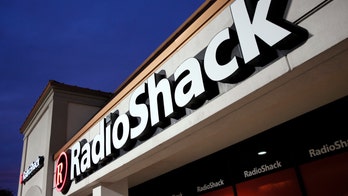
COMPANIES March 9, 2017 Electronics store RadioShack files for bankruptcy for second time in 2 years Troubled electronics retailer RadioShack has filed for bankruptcy for the second time in just over two years.