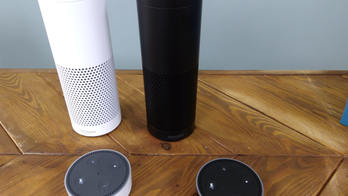
September 26, 2017 Is this the end of typing? The internet's next billion users want video and voice The internet’s global expansion is entering a new phase, and it looks decidedly unlike the last one.
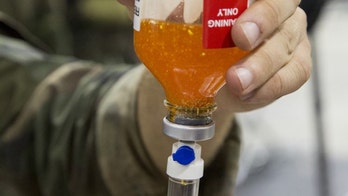
September 26, 2017 How Marines are harnessing freeze-dried plasma to save lives Starting next week, all U.S. Navy corpsmen serving with the Marine Corps Forces Special Operations Command (MARSOC) overseas will be equipped with freeze-dried blood plasma. The decision to have all units carry the lifesaving blood product comes after it was used earlier this year to save the life of a wounded military member from an allied nation.
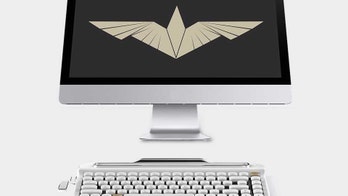
September 26, 2017 Retro typewriter keyboard is the MacBook antidote Retro keyboards are becoming more popular and one startup has a promising design.
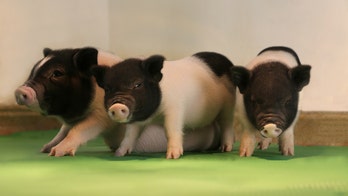
September 26, 2017 Gene editing breakthrough could pave way for pig-to-human organ transplants Scientists have harnessed gene-editing technology to eliminate viruses in pigs that could be harmful to people, potentially laying the foundations for pig-to-human organ transplants.
September 26, 2017 It's saliva! A new ultra-thin battery is powered by spit Innovative researchers from Binghamton University, State University of New York have developed the next step in microbial fuel cells: a paper-like battery thats activated by saliva.
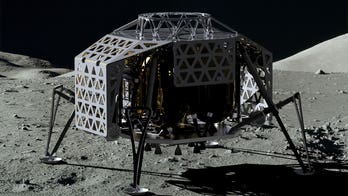
September 26, 2017 Calling the Moon: Startup to put cellphone tower on the Moon An astronaut wandering the moon next year could use a smartphone to call home.
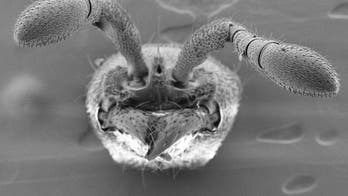
September 26, 2017 Scientists create world's first mutant ants with gene editing technology It may sound like a script for a science fiction movie, but scientists have created the world’s first mutant ants.
September 26, 2017 New CRISPR technique could accelerate a cure for Huntington's disease and ALS A modified version of the CRISPR/Cas9 tool could be used to track RNA in live cells using a method known as RNA-targeting Cas9. This, in turn, could be used to cure ALS and Huntington's disease.
September 26, 2017 Is that Chanel counterfeit? Artificial intelligence scanner distinguishes real from fake goods A new machine-learning system developed by researchers from New York University is able to distinguish genuine and counterfeit products by analyzing microscopic characteristics that are invisible to the human eye.
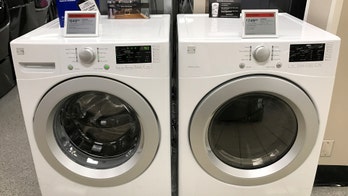
September 25, 2017 Washing machines can be 30 percent lighter thanks to new innovation A student figured out how to remove the concrete counterweight from a washing machine, which reduces the weight and CO2 footprint of each machine substantially.