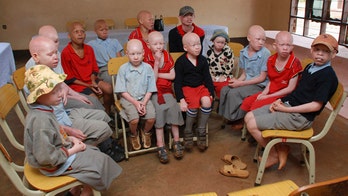
October 24, 2015 US doctors help Tanzanian children harmed in albino attacks Five Tanzanian children attacked and robbed of limbs because they are albino are being outfitted with prosthetics at a Philadelphia hospital.
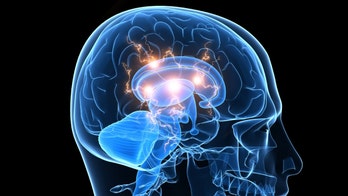
October 24, 2015 Novel brain monitoring technique could lead to ‘mind-reading’ devices Utilizing a series of electrodes attached to portions of a patient’s brain, researchers at the Stanford University School of Medicine were able to eavesdrop on a person’s brain activity as he or she performed normal, daily functions – a process they termed “intracranial recording.�
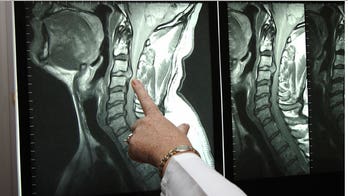
October 24, 2015 Bionic technology offers hope for paralyzed Technologies to help paralyzed people move again have come a long way since "Superman" actor Christopher Reeve died 10 years ago. While a paralysis "cure" remains far from reality, the strides made in the past decade would make Reeve "excited," his son said. Â
October 24, 2015 2-year-old girl given bioengineered windpipe dies The youngest person ever to receive a bioengineered organ has died, the New York Times reported.
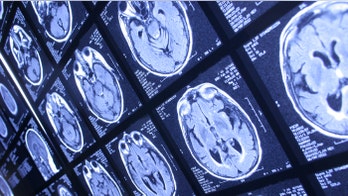
October 24, 2015 Doctors don't often tell patients of CT scan risks Only about a third of patients surveyed at one U.S. medical center said their doctors told them about the possible risks of a CT scan, such as radiation exposure, a new study finds
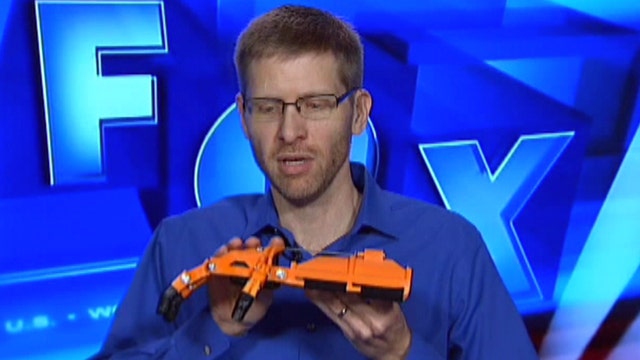
October 24, 2015 How does a $50 3D-printed hand match up to $42G prosthetic? Jose Delgado, Jr., 53, was born without most of his left hand and has been using prosthetic devices for decades. His current device, a myoelectric prosthesis, is valued at around $42,000.
October 24, 2015 Skin cancer removal with miniaturized radiation Toni Weiser is a veteran of skin-cancer removals. The 75-year-old retired teacher in Santa Fe, N.M., says she’s had at least eight basal and squamous cell cancers scraped, frozen and surgically excised from her arms, face and shoulders.
October 24, 2015 Some doctors miss test results with electronic records Lab results sent directly to doctors' computer screens sometimes get lost in a flood of other alerts, according to a new study
October 24, 2015 Web-based info may not increase cancer screening Offering women information on colon cancer screening via the web does not get them to take up screening any more effectively than printed materials, according to a new study
October 24, 2015 Ethical issues arise as scientists peek into baby genes New parents in a few other cities soon can start signing up for smaller studies to explore if what's called genome sequencing - fully mapping someone's genes to look for health risks - should become a part of newborn care. It's full of ethical challenges.