March 23, 2017 Scientists use graphene to power 'electronic skin' that can feel Scientists have found a way to power an experimental kind of electronic skin using solar energy in a further step towards the development of prosthetic limbs or robots with a sense of touch.
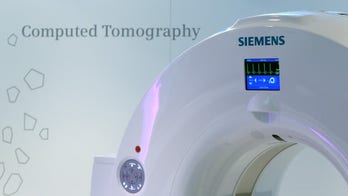
March 8, 2017 Quality of life after heart CT scan depends on results Improvement or worsening of chest pain symptoms and quality of life after a CT scan of the heart may depend on what the scan finds, a large study suggests.
February 23, 2017 Many US cancer patients struggle to afford life-saving medications As cancer drug costs rise, U.S. cancer patients are more likely than other medical patients to struggle with paying for prescription medications, according to a recent study.
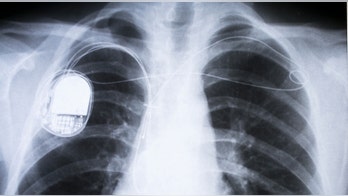
February 23, 2017 Many pacemaker recipients can safely get non-chest MRIs It might be possible for people with an older pacemaker to safely get an MRI after all.
February 16, 2017 Smart eyeglasses bring sight to visually impaired Over the years new technologies and tools have helped some of the 23 million Americans living with vision loss. ESight’s smart glasses claim to enable people with macular degeneration, optic atrophy and Stargardt's disease to see and work
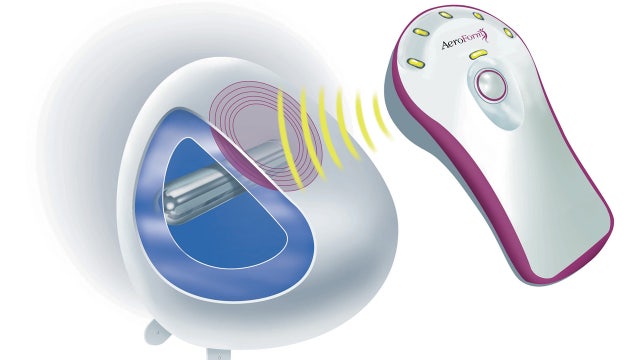
February 9, 2017 Self-administered expanders allow breast cancer patients to heal at home As 35-year-old Luincys Fernandez prepared to welcome her second child into the world, a lump on her right breast during her third trimester gave the mom reason to believe something else was brewing inside her.
February 9, 2017 Accelerometers could finally fix the NFL's concussion crisis The league has still failed to face its concussion epidemic head-on.
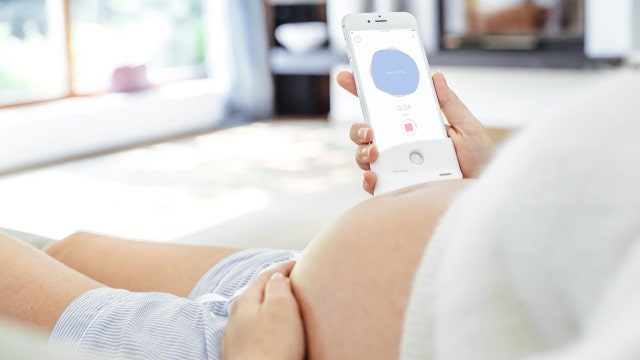
February 8, 2017 Pregnancy apps help moms-to-be monitor their growing babies Two new mobile technologies offer expectant mothers tools to listen to their unborn baby's heartbeat and track contractions
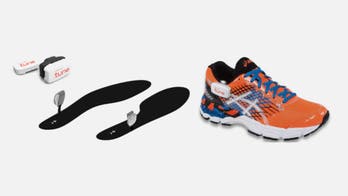
January 26, 2017 Become your own coach with these 5 athletic gadgets Athletes can employ a variety of wearable body sensors to get useful coaching advice.
January 25, 2017 Researchers developing app to detect sleep apnea Sleep apnea affects more than 18 million Americans and can lead to attention deficit disorder, high blood pressure and even diabetes.