April 27, 2016 WHO issues yellow fever warning as deadly outbreak grows Amid rising concern over a deadly outbreak of yellow fever spreading from Angola, the World Health Organization on Tuesday urged travelers to the African country to heed its warnings and get vaccinated.
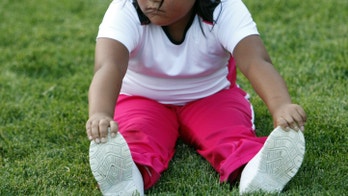
April 26, 2016 Childhood obesity not down in US Rates of childhood overweight and obesity have not decreased in the U.S. in recent years, and severe obesity is on the rise, especially for minority children, according to a new study.
April 26, 2016 Kids' cancer risk might be tied to where mom was born The risk of some childhood cancers might vary depending on where a child's mother was born, a new study suggests.
April 26, 2016 Iraq reports first outbreaks of bird flu in 10 years Iraq reported this week six outbreaks of the highly pathogenic H5N1 bird flu virus that occurred between mid-December and early February in the first occurrence of the disease in 10 years, the World Organisation for Animal Health (OIE) said on Tuesday.
April 25, 2016 Rice and rice products may expose infants to arsenic Infant rice cereal and rice snacks contain some arsenic, and babies who eat these products have higher levels of arsenic in their urine, a study shows.
April 25, 2016 Laundry detergent pods increasingly dangerous for kids, study suggests More kids than ever before are being poisoned after ingesting candy-colored laundry packets, a new study revealed Monday.
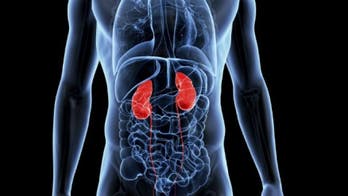
April 25, 2016 More evidence links heartburn drugs to serious kidney problems People taking common heartburn medications known as proton pump inhibitors (PPIs) are at increased risk of new and severe kidney disease, according to a U.S. study.
April 22, 2016 Hepatitis C linked to higher risk of head and neck cancers - People with hepatitis C may have at least twice the risk of developing certain head and neck cancers as individuals who don't carry the virus, a U.S. study suggests.
April 22, 2016 Does sex protect men against prostate cancer? - Men who ejaculate often may have a lower risk of prostate cancer than their peers who don't do it as frequently, a U.S. study suggests.