October 24, 2016 Secondhand smoke linked to higher risk of stroke The increased risk of stroke that comes with smoking may extend to nonsmokers who live in the same household and breathe in secondhand smoke, a U.S. study suggests.
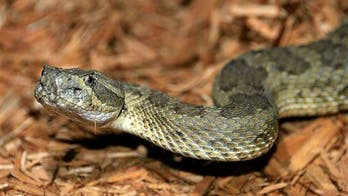
October 21, 2016 Kids should watch out for that snake in the grass The number of children getting bitten by copperheads and other venomous snakes has more than doubled in recent years, a U.S. study suggests.
October 21, 2016 Scientists think this disease is the next Zika From Mayaro to Crimean-Congo Hemorrhagic Fever.
October 20, 2016 Anti-inflammatory pills tied to heart failure risk Widely used non-steroidal anti-inflammatory drugs (NSAIDs) are associated with an increased risk of heart failure— even in people without a history of cardiac issues, a recent study suggests.
October 20, 2016 Teenage weight tied to odds of diabetes-related death decades later The increased risk of developing type 2 diabetes, and eventually dying from the disease, begins early in life and at weights in the "normal" range, a new study suggests.
October 19, 2016 What do tweets say about our health? Tapping into the Twitter stream could help researchers understand how healthy people's lifestyles are and how to target improved public health, according to a recent study.
October 18, 2016 Hispanic youth may be more tempted to smoke than other kids The appeal of smoking for children and teens may be tied at least in part to their race or ethnicity, a recent U.S. study suggests.
October 17, 2016 US diabetics have worsening blood sugar control The number of U.S. diabetics with healthy blood sugar levels has declined in recent years, a study suggests.
October 17, 2016 Fast food choices influence kids' soda and calorie consumption Children who order a combination meal at fast-food restaurants are more likely to get a sugary drink that ups the meal's total calories, according to a new study.
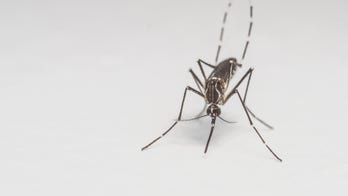
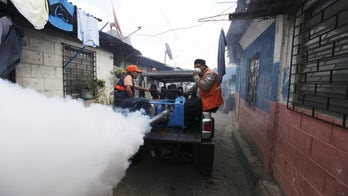
October 14, 2016 Mosquito expert: Washington downplaying Zika virus threat to US As the number of birth defects linked to a mosquito-borne virus surpasses 4,000 in Brazil, and scientists scramble to create a vaccine to protect against the untreatable disease, public health officials are bracing themselves for a potential outbreak in the United States. The threat has some advocacy groups pushing for tighter health screenings among travelers and immigrants from Zika-afflicted countries, while public health officials and tropical disease experts argue preparing to fight the Aedes aegypti, an insect that doesn’t respond to common pesticide, is more pressing.