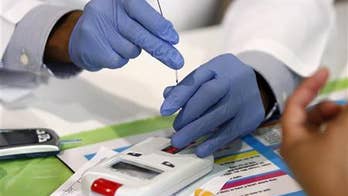
IUDS, implants may be best birth control for women with diabetes The two most effective hormonal birth control methods for women in general are also excellent options for women with diabetes, according to a new study.
One drink a day may not always keep the doctor away It's called "holiday heart" because it happens to binge drinkers who feel a flutter or irregular heartbeat after too many cocktails at parties.
Cancer drugs may remain approved despite lack of benefit In the United States, cancer drugs are sometimes approved through sped-up processes - and they often stay approved even if later studies show them to be inferior to other options or even worse than doing nothing, a new study found.
New blood test could detect heart disease in asymptomatic patients Researchers have developed a blood test that may help detect heart disease in asymptomatic individuals by measuring the immune system’s response to inflammation, a symptom tied to various age-related diseases like dementia and arthritis.
Why Americans' cholesterol levels are improving Americans' cholesterol levels are heading in the right direction, a new study finds.
Higher blood clot risk after starting testosterone treatment Men may have an increased risk of blood clots after they start taking testosterone to treat sexual dysfunction, a recent study suggests.
Vegetarian and vegan diets good for kids and adults, nutritionists say Plant-based diets are tied to a lower risk of health problems like heart disease, diabetes, obesity and certain cancers - and pretty much anyone can eat this way, according to a leading group of nutritionists.
6 tips to manage the start of daylight saving time Sunday at 2:00 a.m. marks the start of daylight saving time, but there are a few health risks to consider as we “spring forward� and lose that hour of sleep.
Obesity and diabetes by middle age tied to heart failure later on People who reach middle age without developing high blood pressure, diabetes or obesity may have a lower risk of heart failure later in life, a recent study suggests.
Americans' cholesterol, triglyceride levels continue to fall - In U.S. adults, levels of fatty substances in the blood have continued to fall over the past few years, according to the Centers for Disease Control and Prevention (CDC).