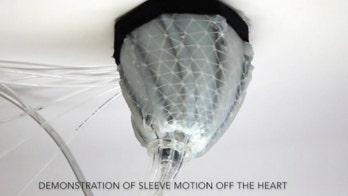
Flabby heart keeps pumping with squeeze from robotic sleeve Scientists are developing a robotic sleeve that can encase a flabby diseased heart and gently squeeze to keep it pumping.
Father sues Monster Energy over son's death A dad claims that energy drinks led to his son’s death.
Why heart disease continues to beat cancer as America's top killer Cancer deaths have been on pace to outnumber deaths from heart disease in the United States for some years now — but once again, in new data from the Centers for Disease Control and Prevention, they didn’t.
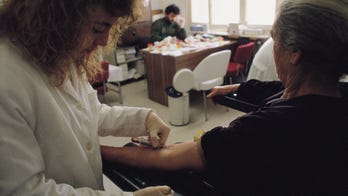
Is that chest pain serious? New blood test could tell Every day, a slew of previously healthy people experience chest pains and go to the emergency room.
Americans in rural areas more likely to die from leading causes of death People who don’t live in metropolitan areas of the United States are more likely to die from the five top causes of death, new federal data suggest.
Top prevention priorities for patients and doctors Focusing on a handful of top prevention priorities can add years to life expectancy for everyone in a family, experts advise.
Study finds how stress raises heart disease and stroke risk People with heightened activity in the amygdala, an area of the brain linked to stress, may be at greater risk of heart disease and stroke, scientists said on Thursday in research that could lead to new ways to treat stress-related heart problems.
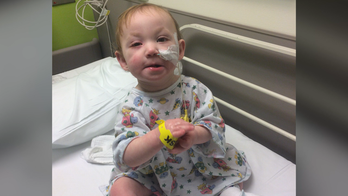
Dad pens song for son battling congenital heart condition When Ant and Beth Abbot were told their son Finn had congenital heart disease, they entered a period of overwhelming shock and emotion.
Abbott releases cyber updates for St. Jude devices after government probe Abbott Laboratories said on Monday it is releasing cyber security updates for its St. Jude heart devices following a U.S. government investigation into claims the products are vulnerable to potentially life-threatening hacks.
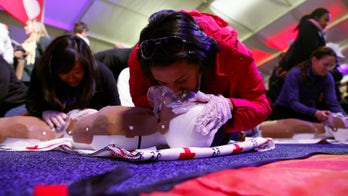
Bystander CPR may boost survival odds when ambulance delayed Cardiac arrest patients who get cardiopulmonary resuscitation (CPR) from a bystander at the scene may have better survival odds even when an ambulance takes a long time to arrive, a Danish study suggests.