May 19, 2016 Pfizer's Ibrance delays breast cancer progression: study Pfizer Inc's Ibrance in combination with another commonly-used drug kept advanced breast cancer in check significantly longer than the standard treatment alone in a late stage study, according to data released on Wednesday.
May 18, 2016 Drop in birth defects slowed after folic acid fortification Having cereal and bread manufacturers add folic acid to their products may not be enough to help prevent certain birth defects, suggests a study from California.
May 18, 2016 J&J to stand behind talc's safety at upcoming trials, lawyer says Johnson & Johnson will keep aruging in court that its talc-based powders are safe, an outside lawyer who has defended the company in lawsuits said, even after losing two multimillion-dollar verdicts to plaintiffs who alleged that J&J Baby Powder and Shower to Shower caused ovarian cancer.
May 18, 2016 Self-injectable contraceptives could be life-saver in Africa, health experts say Self-injectable contraceptives, which are being trailed in Uganda and Senegal, could revolutionize women's lives in rural Africa and dramatically cut maternal and newborn deaths, health experts said on Tuesday.
May 18, 2016 That's my mom: Mother's voice lights up kids' brains There really is something special about a mother's voice, science confirms.
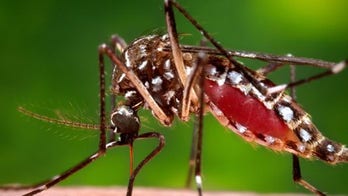
May 18, 2016 Zika virus may spread to Europe in coming months, WHO warns The Zika virus, an infectious disease linked to severe birth defects in babies, may spread into Europe as the weather gets warmer, although the risk is low, health officials said on Wednesday.
May 18, 2016 This workout is best to burn belly fat, study says In the weight-loss game, not all fat is created equal.
May 17, 2016 Nearly a third of women in academic medicine experience sexual harassment For women in U.S. medical research, sexual harassment is less common than 20 years ago, but it was still experienced by 30 percent of those responding to a new survey, compared to just 4 percent of men, researchers say.
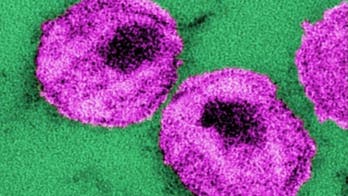
May 17, 2016 HIV-infected patients less likely to get cancer treatment HIV-infected cancer patients are much less likely to receive treatment for tumors than people who don't have the virus, a large U.S. study suggests.
May 17, 2016 Men and women's genes help explain why cancer affects them differently Researchers are shedding new light on why cancer is often a different disease for men than it is for women.