October 28, 2015 Head games: Pro soccer players have sharper mental skills It might be tempting to portray professional athletes as "dumb jocks," but new research proves that experienced soccer players have impressive brain functioning and executive-level cognitive skills
October 28, 2015 How to start working out when you hate the gym James Fell, a certified strength and conditioning specialist, details how he was able to kick his non-exercising habit and find a way to love the gym
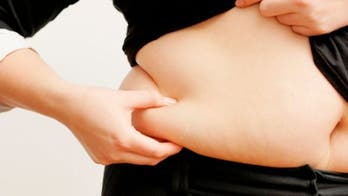
October 28, 2015 Health myth: Can you spot-reduce fat? It's the promise of late-night TV infomercials, SkyMall gadgets, and the star of our fitness fantasies: spot-reducing fat in those "trouble zones." After all, everybody has one or two. But is it a dream worth chasing?
October 28, 2015 Could Brazilian waxing increase STD risk? Brazilian waxing and other methods of removing pubic hair may increase the risk of catching certain skin infections through sex, preliminary research suggests
October 28, 2015 Should you 'Google' your symptoms? More than 60 percent of Americans find information about their health online before they decide whether or not to see a doctor. Â Why this reliance on the Internet for health information? It all has to do with easy access
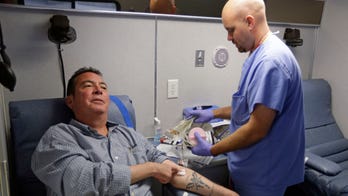
October 28, 2015 As demand dwindles, US blood banks make changes Blood banks are declaring fewer critical shortages these days and in some cases cutting staff in response to dwindling demand for blood - the result of fewer elective surgeries being performed and medical advances that curb bleeding in the operating room.
October 28, 2015 Giraffe 'kisses' goodbye dying zoo worker in touching photograph A touching moment between a zoo worker and one of his favorite animals has gone viral.
October 28, 2015 Babies understand words from 6 months old, scientists say Researchers found that infants aged between six and nine months can grasp the meaning of common words months before they can speak them
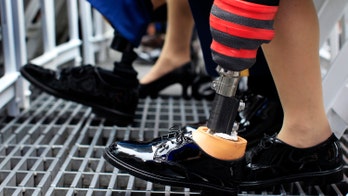
October 28, 2015 How the mind adjusts to lost limbs After an amputation, most patients have a sensation that the limb is still attached and functional. It's known as phantom limb, and it's just one sign that the psychological adjustment to losing a limb can be as challenging as the physical adjustment