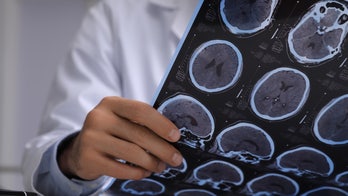
Doctors thought man had brain cancer — they found live tapeworms instead Doctors suspected metastatic brain cancer in a 60-year-old man, but scans revealed pork tapeworm larvae causing neurocysticercosis.
Dad jokes may be good for your brain in one surprising way, experts say Dad jokes can lower cortisol by over 36% and boost dopamine, serotonin, and endorphins, offering real stress relief through simple puns and wordplay.
Common vitamin may influence brain aging in ways scientists didn't expect New Japanese research links higher vitamin C blood levels to better-preserved brain structure and stronger neural connections in older adults.
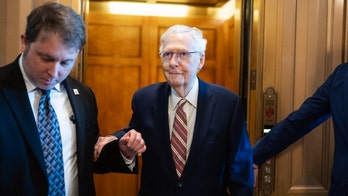
Sen Mitch McConnell hospitalized, 'receiving excellent care,' his office says Sen. Mitch McConnell, 84, has been hospitalized for an undisclosed health issue, according to his office, which said he is receiving excellent care.
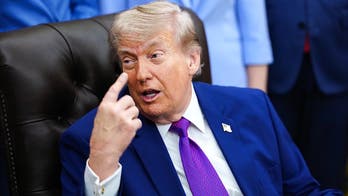
Trump marks 80th birthday, now second octogenarian sitting president: 'Seemed to utterly defy age' President Trump turns 80 in office, becoming only the second sitting U.S. president to reach octogenarian status while allies praise his stamina.
Woman with advanced Alzheimer's regained speech and memories after taking magic mushrooms A woman with advanced Alzheimer's reportedly showed significant brain function improvements after taking psilocybin mushrooms, per a case report.
Scientists reveal surprising brain benefit of laughter: 'It's a mental workout' New research suggests laughter is a vital catalyst for child development, enhancing the brain growth, emotional well-being and social bonding of children.
Everyday task may help detect early dementia signs before diagnosis, study finds Scientists have discovered that a simple writing test could detect cognitive impairment in older adults before more serious symptoms develop.
Quitting smoking could offer a major benefit beyond heart and lung health, study finds New research analyzing over 32,000 adults over 25 years suggests quitting smoking may reduce dementia risk and support long-term brain health.
Trump calls on all future candidates to take cognitive exam, noting perfect score during latest physical Trump fires back at critics of his health ahead of his 80th birthday, citing a perfect cognitive test score and calling out the 'Dumocrats.'