October 20, 2016 Clinic refuses requests for 'snake eyes' body piercing A New York City tattoo partner is speaking out against a trendy body modification— snake eyes.
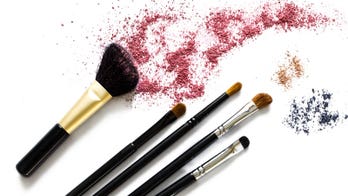
October 18, 2016 Model contracts eye infection from 'dirty' makeup brush An Australian model who contracted an eye infection from a shared makeup brush is now speaking out about the importance of good hygiene when using makeup or getting your makeup done
October 11, 2016 The quadruple amputee beauty blogger who's taking Instagram by storm Kaitlyn Dobrow isn’t your average beauty blogger: The aspiring cosmetologist has gone viral for her flawless makeup looks, and she happens to be creating them all with a prosthetic arm.
October 10, 2016 Hair plugs? Joe Buck puts cosmetic addictions in spotlight Fox Sports announcer Joe Buck recently shared that he had an addiction to hair plugs, and it almost cost him his career
October 10, 2016 Little evidence that antibiotics help open surgical wounds heal There are no high-quality trials assessing whether using antibiotics or antiseptics on open surgical wounds speeds healing by slowing the growth of dangerous microorganisms, according to a new Cochrane review.
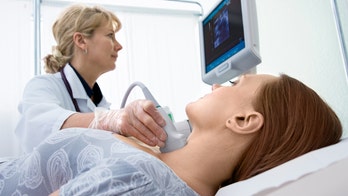
October 7, 2016 Underactive thyroid may be overdiagnosed, overtreated in the elderly Older people may too often be diagnosed with an underactive thyroid and prescribed thyroid hormones, which can cause new troubles and expenses without improving their lives, researchers say.
October 7, 2016 Most US dermatologists receive industry money Nearly three-quarters of U.S. dermatologists received payments worth a collective $34 million from drug companies in 2014, according to a new analysis of a public database.
October 7, 2016 Surgery during pregnancy carries low risk Surgical procedures during pregnancy are generally safe, new research indicates.
October 7, 2016 Melanoma less common but more deadly for black patients Even though Caucasians are much more likely to develop skin cancer than other ethnic groups, people of color who do get the disease are less likely to survive, a U.S. study suggests.